Posts

Showing posts with the label Waste

The Science Behind Recycling: How Different Materials Are Recycled
Image
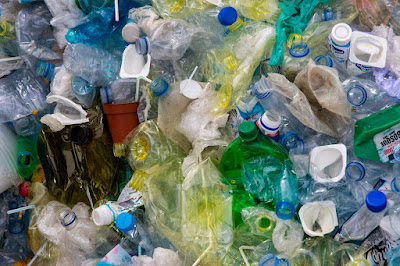
Recycling has become an essential aspect of modern society, playing a crucial role in mitigating environmental challenges and conserving valuable resources. By reusing materials instead of sending them to landfills, we can significantly reduce pollution and energy consumption. However, not all recycling processes are the same; each material requires unique methods for successful recycling. Let's learn about the science behind recycling and delve into how different materials like paper, plastic, glass, and metals are recycled. Understanding these processes will empower us to make more informed decisions and contribute to a sustainable future for generations to come.

The Pros and Cons of Biodegradable and Compostable Products

Image
In recent years, there has been an increasing focus on sustainable and environmentally friendly alternatives to traditional plastic products. Two such alternatives are biodegradable and compostable products, which are designed to break down naturally without causing harm to the environment. While these terms are often used interchangeably, they do have distinct differences. Let's find out about the pros and cons of biodegradable and compostable products and shed light on their potential benefits and drawbacks.

The Dark Side of Fast Fashion: How Clothing Production Creates Massive Amounts of Waste

Image
In recent years, the fashion industry has experienced a boom in fast fashion, a business model that prioritizes rapid production and low-cost garments. While fast fashion offers affordability and quick access to the latest trends, it has a detrimental impact on our environment. The dark side of fast fashion lies in the colossal amounts of waste it generates, contributing to pollution, resource depletion, and landfill overcrowding. Let's delve into examples that highlight how clothing production contributes to this alarming waste problem.

The Surprising Benefits of Shopping Secondhand and Reducing Your Consumer Waste

Image
In today's fast-paced consumer culture, it's easy to get caught up in the allure of buying new things. However, there is a rising movement that encourages individuals to consider the benefits of shopping secondhand and reducing consumer waste. Not only does embracing the secondhand market help to combat the harmful effects of overconsumption, but it also brings forth a host of surprising advantages for both individuals and the planet. Let's consider a few compelling examples that highlight the unexpected benefits of shopping secondhand.

The History of Garbage Collection: From Ancient Times to Modern-Day Waste Management

Image
In today's modern world, we often take garbage collection for granted. We simply throw our waste into bins, and it magically disappears. But have you ever wondered about the history of garbage collection and how it has evolved over the centuries? From ancient civilizations to the sophisticated waste management systems of today, the management of waste has come a long way. Join me on a journey through time to explore the fascinating history of garbage collection.

Creative Ways to Reuse Household Items and Reduce Your Trash

Image
Nowadays sustainability and environmental consciousness are gaining momentum, and finding ways to reduce waste and minimize our carbon footprint is of utmost importance. One effective way to contribute to a greener planet is by creatively repurposing household items. By thinking outside the box and giving a new life to items that would otherwise end up in the trash, we can make a positive impact. The following are just a few examples of how you can reuse common household items and help reduce waste.

The Environmental Impact of Plastic Straws and Why You Should Stop Using Them

Image
Plastic straws have been a common item for many years, found in almost every restaurant and bar around the world.  However, the convenience of using them comes at a significant environmental cost. Plastic straws are one of the most commonly found items in the ocean, and they have a devastating impact on marine life. So what is the environmental impact of plastic straws and why should you stop using them?

Trash-to-Energy: How Our Garbage Can Be Turned into Electricity

Image
Have you ever wondered what happens to the garbage you throw away? In most cases, it ends up in landfills where it decomposes and emits harmful gases like methane.  However, there's a better way to dispose of our waste that not only reduces the amount of garbage in landfills but also generates electricity. This process is called " trash-to-energy " and it's a great example of how innovation can turn a problem into a solution.

The Growing Problem of Electronic Waste and What You Can Do About It

Image
Electronic waste, or e-waste, refers to discarded electronic devices, such as computers, smartphones, televisions, and other electronic gadgets. With the rapid advancement of technology, we are producing more and more e-waste than ever before. Unfortunately, most of this waste ends up in landfills or gets exported to developing countries, where it causes significant environmental and health problems.